Weight Fluctuations and Your Ink: Will My Tattoo Warp?

Weight Fluctuations and Your Ink: Will My Tattoo Warp?
One of the most common anxieties in the tattoo community sounds like this: "What if I get this tattoo on my arm and then I start going to the gym? Will my tattoo look like a funhouse mirror?" or "I'm planning to lose 50lbs... should I wait?"
The short answer: Our bodies are living, breathing canvases. Tattoos are designed to move with us. However, understanding how skin elasticity works can help you plan a piece that ages as gracefully as you do.
⚖️ 1. The 50lb Rule: Moderate vs. Drastic Changes
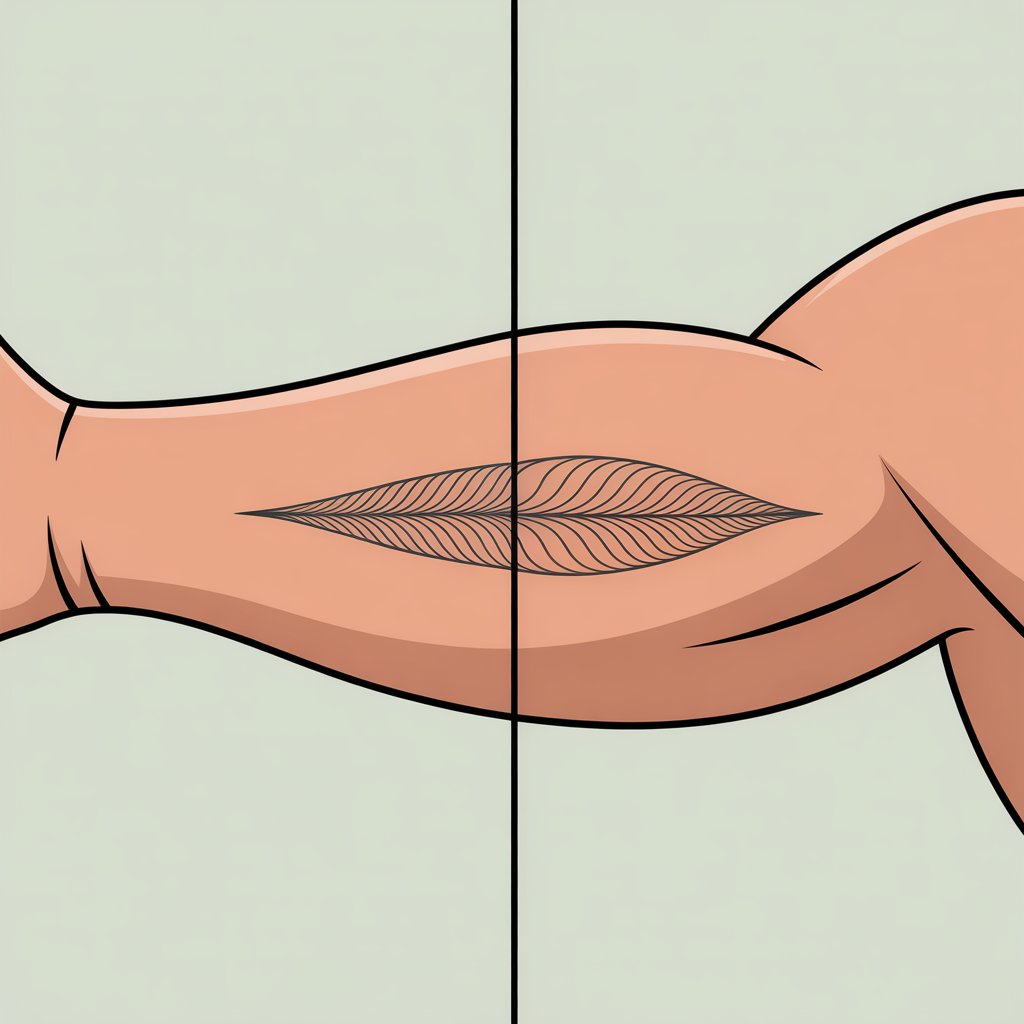
For the vast majority of people, moderate weight fluctuations... losing or gaining 20 to 50 pounds... will have a negligible effect on a tattoo's appearance.
- The Science: Skin is incredibly elastic. As long as weight changes happen gradually (1-2 lbs per week), the skin has time to reorganize its collagen fibers. Your tattoo will simply "breathe" with your body size.
- The Exception: Rapid, extreme transitions (like 100lb+ losses or bariatric surgery results) can lead to loose skin, which may cause a tattoo to "sag" or lose its original placement.
🗺️ 2. The Map of Respiration: Safe vs. High-Risk Zones
Where you put your ink matters just as much as the ink itself. Some areas of the body are "stable," while others are prone to significant stretching.
✅ Safe Zones (Stable)
- Forearms & Shins: There is very little fat accumulation here. Even significant body changes rarely affect these areas.
- Upper Back & Shoulder Blades: The skin over the scapula is tightly bound and moves very little, even with muscle growth.
- Wrists & Ankles: These "bony" areas are the gold standard for stability.
⚠️ High-Risk Zones (Elastic)
- The Stomach/Abdomen: This is the most volatile area for weight gain, loss, and pregnancy.
- Inner Thighs & Upper Arms: These areas are prone to "sagging" if significant fat is lost quickly without muscle replacement.
- Ribs: While the bone provides support, the surrounding tissue can expand significantly.
💪 3. Bulking & Bodybuilding: Can You Get "Jacked"?
 >
>
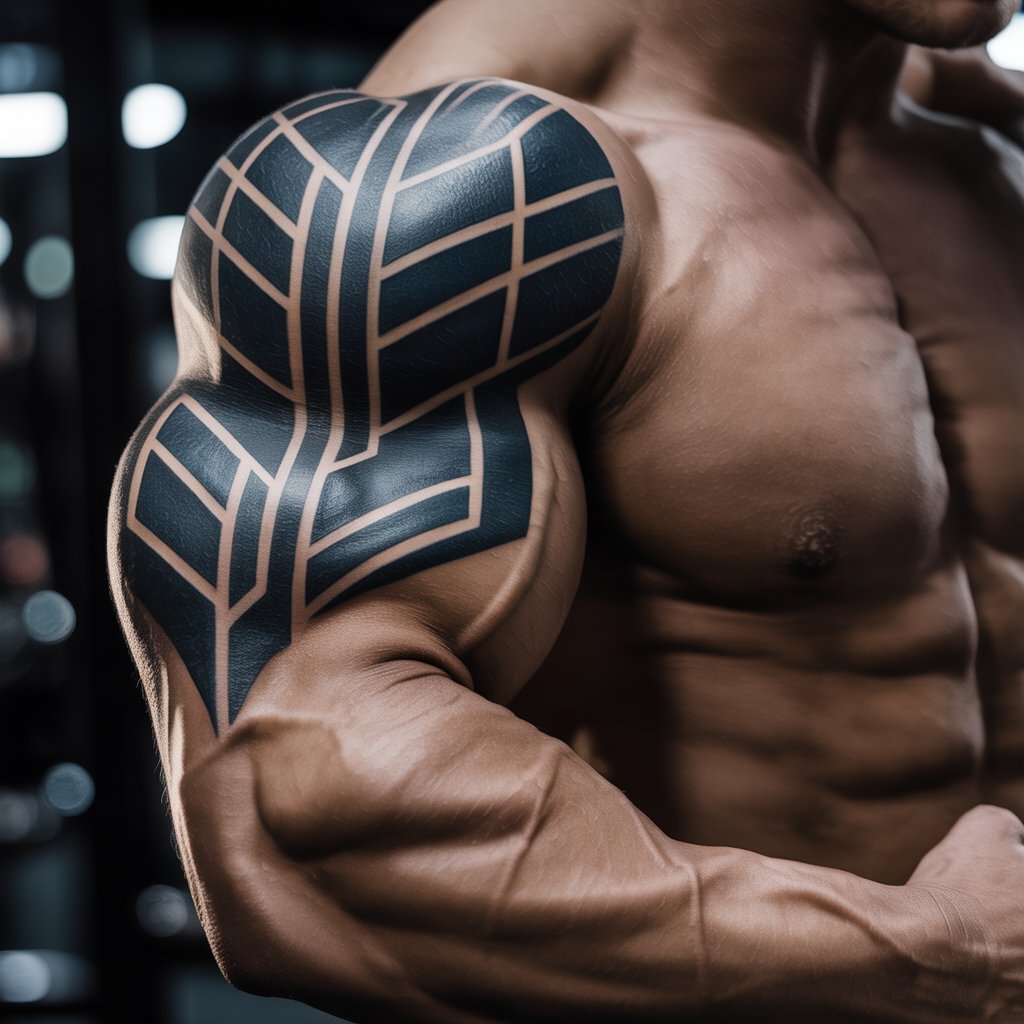
The "Bodybuilder Myth" is that muscle gain will tear your tattoo apart. In reality, you would have to gain an unnatural amount of mass in a very short window for a tattoo to visibly distort.
- Muscle Growth: Muscles expand from the inside out. A sleeve on a fit arm will look almost identical on an muscular arm... it might even look better as the canvas becomes smoother and more defined.
- The Real Enemy: Stretch Marks: The only thing that truly "breaks" a tattoo is a stretch mark. Stretch marks are scars that tear through the dermis (where the ink lives). If you grow too fast for your skin to keep up, a stretch mark can leave a "blank" line through your art.
🛠️ 4. The Fix: What if it Does Warp?
If life happens and your tattoo doesn't look the way it used to, don't panic. Tattoos are not permanent in the way a stone carving is... they are a collaborative process.
- The Power of the Touch-Up: A skilled artist can often "re-align" a slightly warped design by adding new shading or background elements that mask the distortion.
- Additions: Turning a single warped piece into part of a larger, more fluid "sticker sleeve" or Japanese-style background can give it a second life.
🔮 Planning for Life
At Tattit, we encourage you to talk to your artist about your long-term body goals. A specialized artist can adjust a design's placement by just an inch to ensure it stays perfect for decades.
Ready to consult? Connect with artists who specialize in different body placements in the Tattit Artist Directory.
Are you planning a body transformation and worried about your ink? Ask our community of experts in the comments below!